Hero photo — wide landscape, full colour
Tick Bites & Lyme Disease
Parent resource
Prevention is the best protection
- Use an insect repellent that contains DEET when spending time outdoors.
- Perform a thorough tick check at the end of each day, especially after playing or hiking in wooded or grassy areas.
- In general, there is very little risk of Lyme disease from a tick that has been attached for less than 24–36 hours and is not engorged (filled with blood).
How to remove a tick
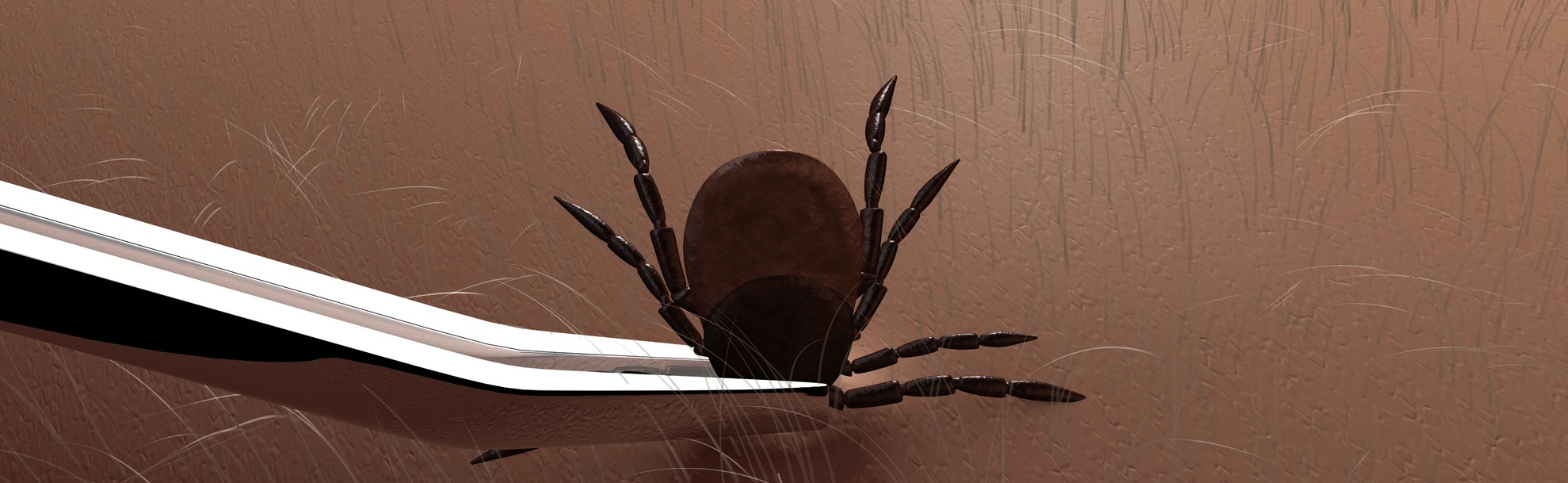
Use fine-tipped tweezers to grasp the tick as close to the skin as possible. Pull upward with steady, even pressure until the tick is removed.
After removal, it is common to see a small area of redness at the bite site for several days. This is a normal reaction to an insect bite and does not, by itself, indicate Lyme disease.
We do not recommend sending ticks for testing, as the results rarely change medical management or treatment recommendations.
When should you call our office?
If you find a tick that has likely been attached for more than 36 hours, or if you are unsure whether it was engorged, please call our office the next morning to schedule a visit and discuss your child’s options.
This is not considered an after-hours emergency, so there is no need to call the on-call provider overnight. If appropriate, we can prescribe a single preventive dose of an antibiotic to help reduce the risk of Lyme disease. This medication is most effective when started within 72 hours of tick removal.